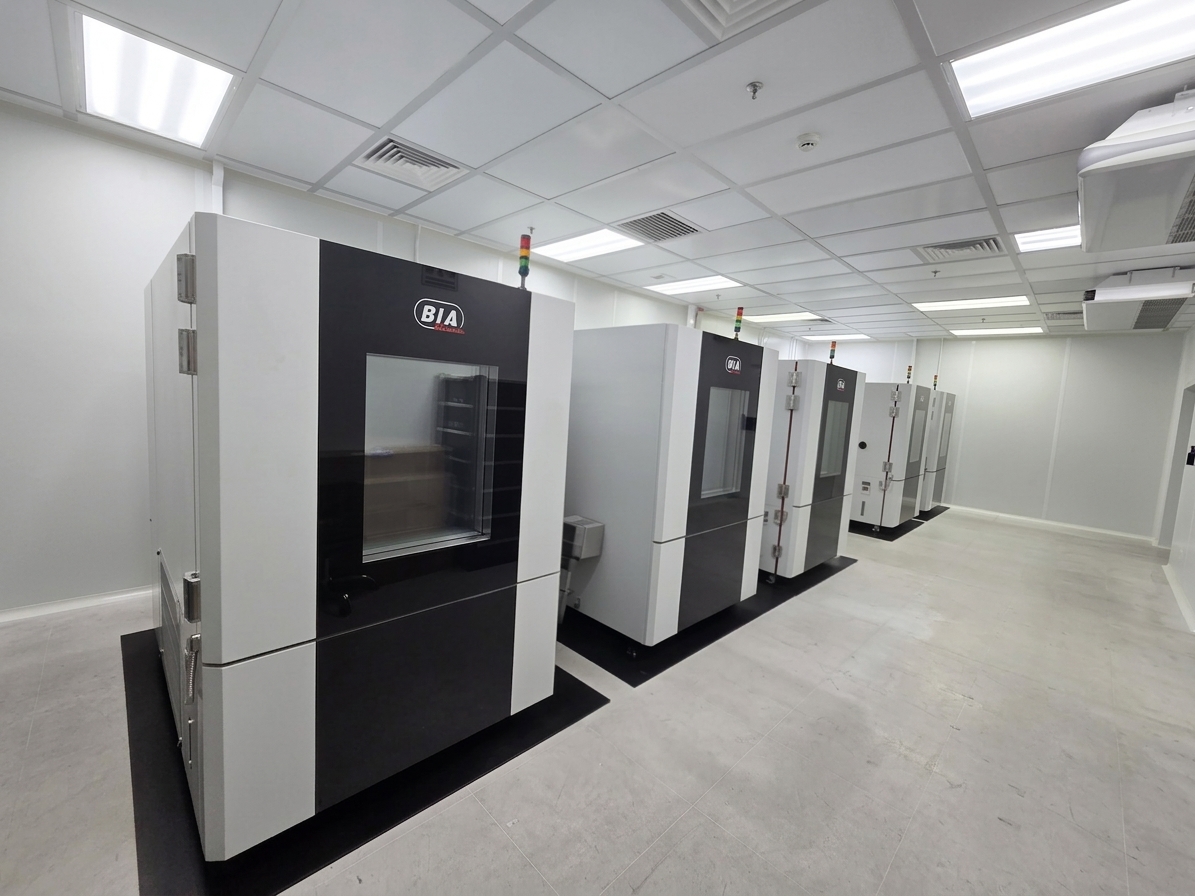
Choosing the right reliability tests is not simply about selecting a test standard or running a product through a climatic chamber.
It starts with understanding the product, its operating environment, and the failure mechanisms that could affect its performance throughout its intended life cycle.
Without proper planning, manufacturers risk 𝗼𝘃𝗲𝗿-𝘁𝗲𝘀𝘁𝗶𝗻𝗴 — increasing costs and development time — or 𝘂𝗻𝗱𝗲𝗿-𝘁𝗲𝘀𝘁𝗶𝗻𝗴, which can lead to unexpected field failures and warranty claims.
Before finalizing a reliability test plan, consider these six essential steps:
1️⃣ 𝗗𝗲𝗳𝗶𝗻𝗲 𝘁𝗵𝗲 𝗠𝗶𝘀𝘀𝗶𝗼𝗻 𝗣𝗿𝗼𝗳𝗶𝗹𝗲
Understand how and where the product will operate throughout its intended life cycle.
Consider:
🌡️ Temperature and humidity exposure
⚡ Electrical operating conditions and power cycles
🔧 Vibration, mechanical shock, and physical stress
🌊 Chemical exposure, corrosion, and environmental contaminants
⏳ Expected operating hours, duty cycles, and storage life
2️⃣ 𝗜𝗱𝗲𝗻𝘁𝗶𝗳𝘆 𝗔𝗽𝗽𝗹𝗶𝗰𝗮𝗯𝗹𝗲 𝗦𝘁𝗮𝗻𝗱𝗮𝗿𝗱𝘀
Determine which industry standards and customer specifications apply to your product.
Examples include:
• 𝗝𝗘𝗗𝗘𝗖 𝗝𝗘𝗦𝗗𝟮𝟮 / 𝗝𝗘𝗦𝗗𝟰𝟳 — Semiconductor reliability testing and qualification
• 𝗔𝗘𝗖-𝗤𝟭𝟬𝟬 / 𝗤𝟭𝟬𝟭 / 𝗤𝟮𝟬𝟬 — Automotive ICs, discrete semiconductors, and passive components
• 𝗜𝗘𝗖 𝟲𝟬𝟬𝟲𝟴 — Environmental testing
• 𝗜𝗦𝗢 𝟭𝟲𝟳𝟱𝟬 — Environmental conditions and testing for automotive electrical and electronic equipment
• 𝗠𝗜𝗟-𝗦𝗧𝗗-𝟴𝟭𝟬 / 𝗠𝗜𝗟-𝗦𝗧𝗗-𝟴𝟴𝟯 — Environmental testing and microelectronic device testing
𝟯️ 𝗖𝗼𝗻𝗱𝘂𝗰𝘁 𝗥𝗶𝘀𝗸 & 𝗙𝗮𝗶𝗹𝘂𝗿𝗲 𝗠𝗼𝗱𝗲 𝗔𝗻𝗮𝗹𝘆𝘀𝗶𝘀 (𝗗𝗙𝗠𝗘𝗔)
Identify potential failure mechanisms based on the product’s design, materials, and packaging.
Examples:
• Thermal cycling → Solder fatigue and package delamination
• High temperature and humidity → Corrosion and moisture-related failures
• High Temperature Operating Life (HTOL) → Semiconductor degradation and electrical parameter drift
The objective is to select tests that target the actual risks, rather than simply conducting every available test.
𝟰️ 𝗘𝘀𝘁𝗮𝗯𝗹𝗶𝘀𝗵 𝗔𝗰𝗰𝗲𝗹𝗲𝗿𝗮𝘁𝗶𝗼𝗻 𝗙𝗮𝗰𝘁𝗼𝗿𝘀 & 𝗧𝗲𝘀𝘁 𝗠𝗼𝗱𝗲𝗹𝘀
Accelerated testing helps evaluate reliability within a practical development timeframe.
Depending on the failure mechanism, relevant models may include:
• Arrhenius Model — Temperature-dependent degradation
• Coffin–Manson Model — Thermal fatigue caused by cyclic strain
• Peck’s Model — Temperature and humidity acceleration for moisture-related degradation
Selecting the correct model and assumptions is essential when relating laboratory results to expected field performance.
5️⃣ 𝗗𝗲𝗳𝗶𝗻𝗲 𝗣𝗮𝘀𝘀/𝗙𝗮𝗶𝗹 𝗖𝗿𝗶𝘁𝗲𝗿𝗶𝗮 & 𝗦𝗮𝗺𝗽𝗹𝗲 𝗦𝗶𝘇𝗲𝘀
Before testing begins, establish measurable acceptance criteria.
Consider:
• Functional performance and electrical parameter limits
• Leakage current, supply current, and parametric drift
• Physical inspection and delamination criteria
• Sample size, allowable failures, and statistical confidence
Clear criteria help ensure that test results are meaningful and aligned with the product’s qualification objectives.
6️⃣ 𝗩𝗲𝗿𝗶𝗳𝘆 𝗘𝗾𝘂𝗶𝗽𝗺𝗲𝗻𝘁 𝗖𝗮𝗽𝗮𝗯𝗶𝗹𝗶𝘁𝗶𝗲𝘀 & 𝗧𝗲𝘀𝘁 𝗥𝗲𝗮𝗱𝗶𝗻𝗲𝘀𝘀
Even a well-designed test plan can fail to deliver meaningful results if the equipment or test setup is unsuitable.
Before testing, verify:
• Chamber temperature range, humidity control, and ramp rates
• Power supplies, bias systems, fixtures, and load boards
• In-situ monitoring versus scheduled electrical read-points
• Baseline electrical testing and pre-stress inspections, such as CSAM or X-ray where applicable
The test system must be capable of reproducing the required stress conditions reliably and safely.
𝗧𝗵𝗲 𝗞𝗲𝘆 𝗧𝗮𝗸𝗲𝗮𝘄𝗮𝘆
Reliability testing should begin with the product’s 𝗺𝗶𝘀𝘀𝗶𝗼𝗻 𝗽𝗿𝗼𝗳𝗶𝗹𝗲, 𝗳𝗮𝗶𝗹𝘂𝗿𝗲 𝗺𝗲𝗰𝗵𝗮𝗻𝗶𝘀𝗺𝘀, 𝗮𝗻𝗱 𝗾𝘂𝗮𝗹𝗶𝗳𝗶𝗰𝗮𝘁𝗶𝗼𝗻 𝗼𝗯𝗷𝗲𝗰𝘁𝗶𝘃𝗲𝘀 — not simply a list of test standards.
A structured approach helps manufacturers develop more effective test plans, optimize qualification costs, and reduce the risk of field failures.
At 𝗠𝗶𝗰𝗿𝗼re𝗹 𝗦𝗼𝗹𝘂𝘁𝗶𝗼𝗻, we support reliability testing requirements with environmental simulation solutions, including temperature and humidity chambers, thermal cycling systems, and customized testing solutions for semiconductor and high-tech industries.